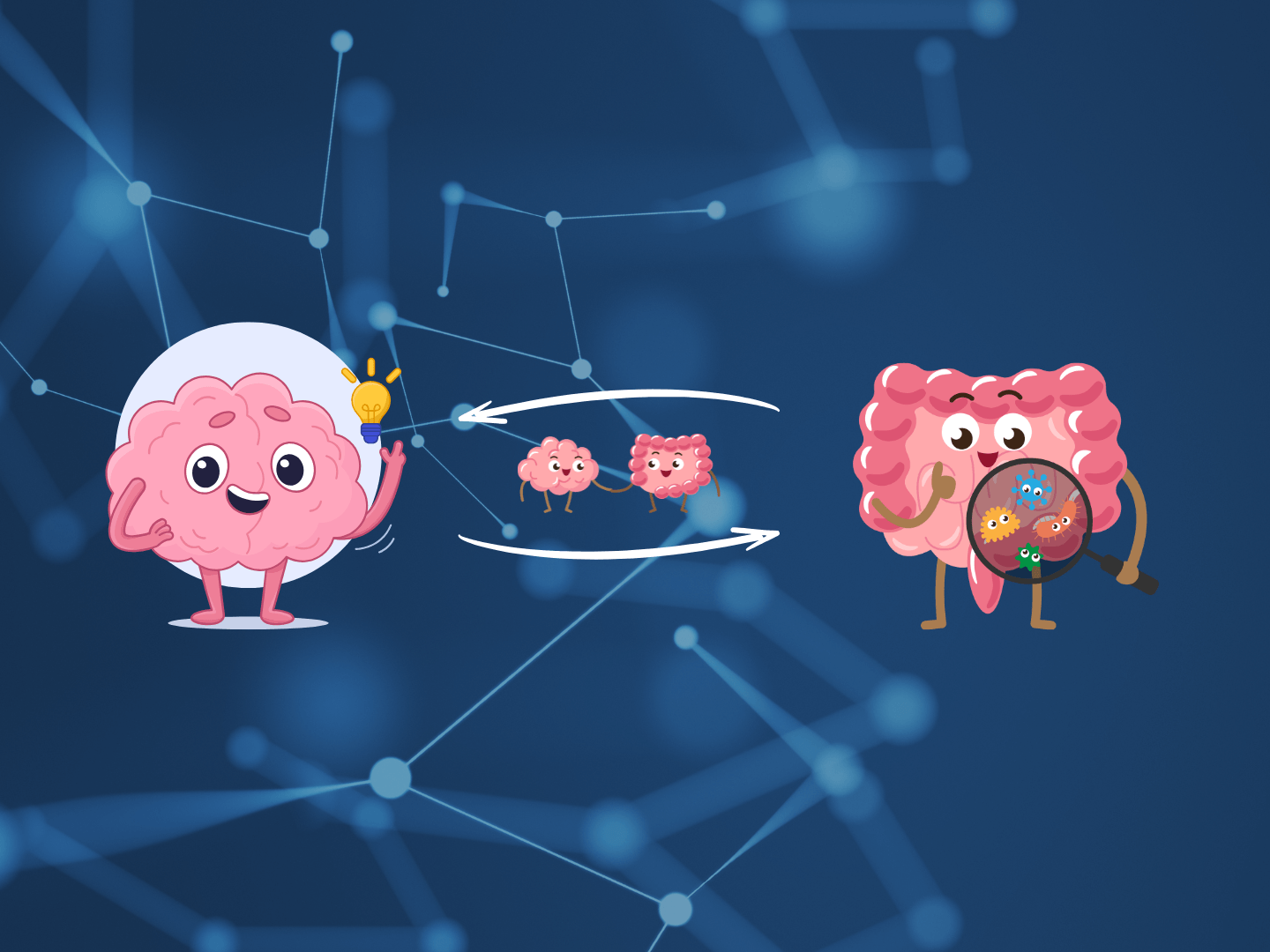
How Are The Gut and Brain Connected?
Have you ever felt “butterflies in your stomach” when nervous, or an upset stomach when stressed? These are real examples of how the gut and brain are connected. Scientists call this link the gut-brain axis — a two-way communication system between your digestive system and your brain.
What Is the Gut-Brain Axis?
- The gut is often called the “second brain” because it has its own network of nerves, called the enteric nervous system. This system communicates directly with the brain through the vagus nerve and chemical messengers such as neurotransmitters and hormones.
- The gut has its own nervous system called the enteric nervous system (ENS). It handles functions like digestion, movement of food, and secretion of enzymes.
- The ENS communicates with the central nervous system (the brain and spinal cord) via nerves (especially the vagus nerve) and chemical signals.
- The term microbiota (or microbiome) refers to billions of bacteria and other microbes living in your gut. These microbes play a major role in the gut-brain connection by producing substances that affect both gut and brain.
In short: your gut sends signals to your brain, and your brain can send signals back to your gut.
The Role of the Gut-Brain Connection
Here are the main ways the gut and brain communicate:
- Neural (Nerve) Signals
The gut and brain are linked by nerves such as the vagus nerve. When your gut senses something (food, irritation, chemical changes), it can send signals up to the brain. The brain can also send commands to the gut (e.g. to speed up or slow down digestion). - Microbial Metabolites & Neurochemicals
Gut microbes produce substances like short-chain fatty acids (SCFAs), vitamins, and precursors to neurotransmitters (for example, serotonin). Some of these molecules can cross into the blood and influence brain function. - Immune / Inflammatory Signals
The gut is a major immune organ. If the gut barrier becomes “leaky” or microbes are imbalanced, immune molecules (like cytokines) may enter the bloodstream. These immune signals can reach the brain and influence inflammation, mood, or brain health.
Why the Gut-Brain Connection Matters
Understanding this connection has implications for both mental health and digestive health, among other areas.
- Mental Health / Mood Disorders
Because gut microbes and gut-derived molecules can influence neurotransmitters and immune signals, they may contribute to anxiety or depression. Dysbiosis (imbalance in gut microbes) has been linked in studies to moods changes. - Digestive Disorders
Conditions like Irritable Bowel Syndrome (IBS) are strongly tied to disruptions in gut-brain communication. Stress, emotional state, and gut signals all interact. Also, treatments for IBS sometimes include behavioral or psychological methods (e.g. relaxation, cognitive therapy) because of this gut-brain link - Overall Health & Well-Being
A properly functioning gut-brain axis helps regulate appetite, digestion, immune responses, mood, stress, and more. When the system is out of balance, it may contribute to chronic inflammation, fatigue, or other problems.
How to Support a Healthy Gut-Brain Connection
Experts recommend simple steps to improve gut and brain health together:
- Eat a diet rich in fiber, fruits, vegetables, and fermented foods.
- Stay physically active to support both digestion and mood.
- Manage stress through relaxation techniques like meditation or deep breathing.
- Get enough sleep to keep both your brain and microbiome balanced.
source :
https://pmc.ncbi.nlm.nih.gov/articles/PMC4367209/
https://my.clevelandclinic.org/health/body/the-gut-brain-connection
https://pmc.ncbi.nlm.nih.gov/articles/PMC7659911/
https://my.clevelandclinic.org/-/scassets/files/org/digestive/behavioral-medicine/brain-gut-connection.pdf