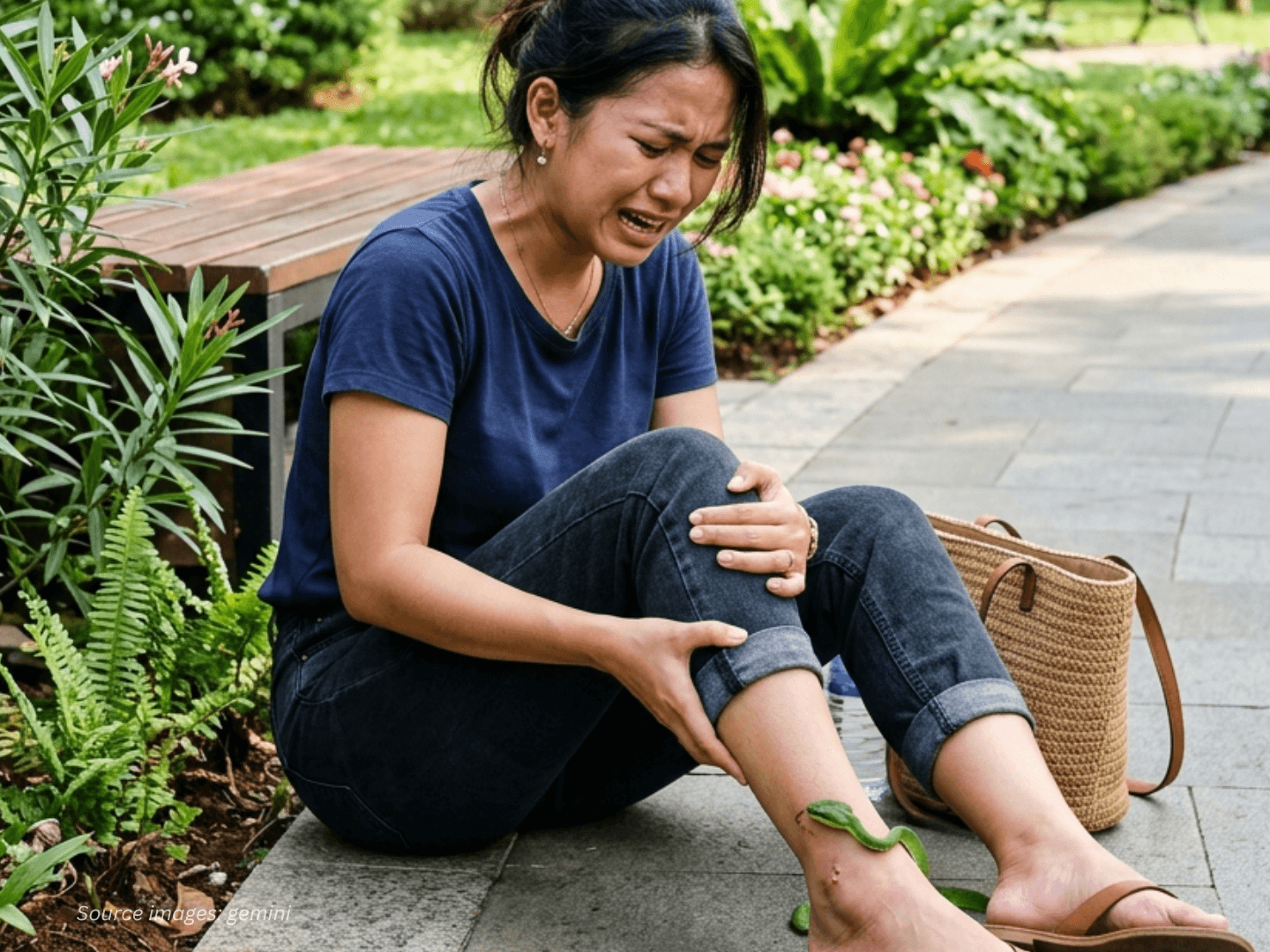
Snake Bite First Aid: What to Do and What to Avoid
A snake bite can be frightening, but staying calm and taking the right steps can help reduce complications while waiting for medical care.
Not every snake is venomous, and not every bite injects venom. However, every snake bite should be treated as a medical emergency until assessed by a healthcare professional.
If you are bitten by a snake, here's what you should do:
1. Stay Calm
Panic can increase your heart rate, which may help venom spread more quickly through the body. Try to remain as still and calm as possible.
2. Keep the Bitten Limb Still
If possible:
- Keep the affected arm or leg still.
- Remove rings, bracelets, or tight clothing before swelling begins.
- If available, use a splint to reduce movement.
3. Call for Emergency Medical Help
Seek medical attention as soon as possible. Early assessment is important, even if the bite seems minor.
What NOT to Do
Many traditional treatments are not recommended because they may cause more harm than good.
Avoid:
- ❌ Cutting the wound
- ❌ Sucking out the venom
- ❌ Applying ice
- ❌ Using a very tight tourniquet
- ❌ Trying to catch or kill the snake
If it can be done safely, remember the snake's appearance or take a photo from a safe distance. Do not attempt to handle it.
Watch for Symptoms
Symptoms can vary depending on the snake and the amount of venom injected.
Common symptoms may include:
- Pain or swelling around the bite
- Redness or bruising
- Nausea or vomiting
- Dizziness
- Difficulty breathing
- Weakness or blurred vision
Some venomous bites may not cause severe pain immediately, so medical evaluation is still important.
Seek Immediate Medical Care Immediately
Prevention Tips
If you're exploring nature or hiking:
- Wear closed shoes or hiking boots.
- Stay on marked trails.
- Avoid reaching into holes, rocks, or thick vegetation.
- Use a flashlight when walking outdoors at night.
Final Thoughts
Snake bites are uncommon but should always be taken seriously. Knowing basic first aid can help protect yourself or someone else until professional medical care is available.
Prompt medical assessment remains the safest approach after any snake bite.